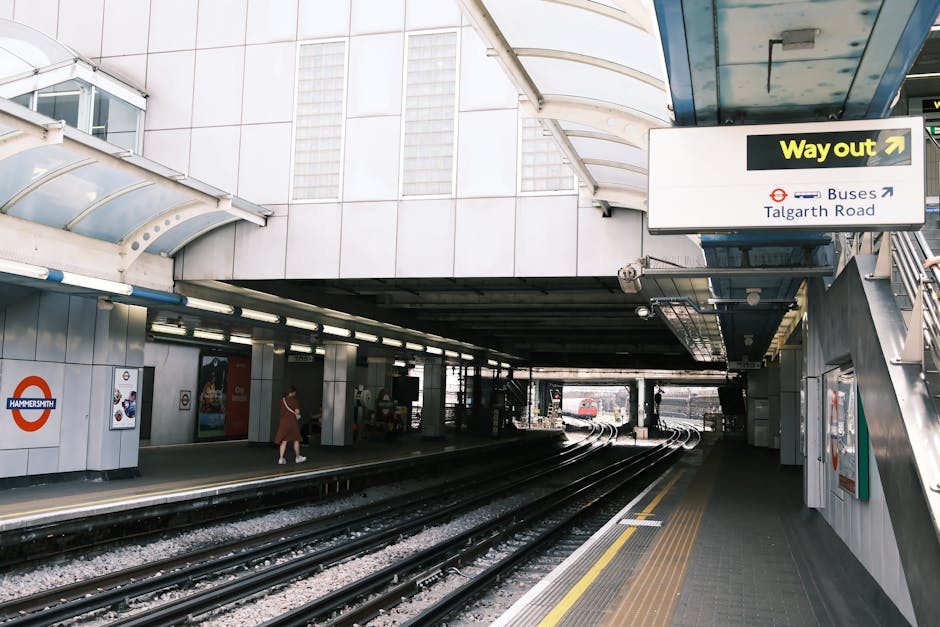
Sanderstead Station Moves: Loading Tips for Narrow Roads
Moving near Sanderstead Station can feel straightforward on a map and surprisingly fiddly in real life. The streets may look manageable until a van arrives, a neighbour's car is parked at an awkward angle, or the turning space simply disappears. That is where Sanderstead Station Moves: Loading Tips for Narrow Roads become genuinely useful. A good loading plan saves time, lowers stress, and reduces the chance of damage to your furniture, your property, or the road itself.
In this guide, you will find practical advice for loading safely and efficiently on tighter streets around the station area. We will cover how narrow-road moves work, what to prepare before moving day, which items need special care, and how to avoid the mistakes that cause delays. If you are planning a local move, a flat move, or even a last-minute collection, this should help you feel a bit more in control. Truth be told, that calm feeling matters more than people expect.
Why Sanderstead Station Moves: Loading Tips for Narrow Roads Matters
Narrow roads change the whole rhythm of a move. On a wider street, a van can often stop, load, and go with only a small amount of planning. Near station roads, side streets, and residential bends, you may only get one clean chance to do it properly. If the van sits in the wrong place, traffic builds up. If boxes are left in the hallway too long, the moving team loses momentum. And if a sofa is carried outside without a plan, it can become the kind of awkward moment everyone remembers.
For moves around Sanderstead Station, the key issue is not just weight. It is access. You are dealing with tight kerbs, limited manoeuvring room, parked cars, pedestrians, and often a time pressure that feels louder than it should. A good loading strategy helps you work with the street rather than fighting it. That is especially important if you are using a man with a van in Sanderstead or planning a more structured move through local removal services.
There is also a safety side to this. Narrow-road loading often means shorter carrying distances, faster handovers, and more stops and starts. Those little transitions are where accidents happen: grazed walls, strained backs, dropped boxes, or a neighbour reversing at exactly the wrong moment. A careful setup reduces all of that. Not glamorous, no, but very effective.
For households, students, and small businesses alike, the practical value is simple: better access planning equals a smoother move. If you are moving from a flat, a terraced house, or a property with limited frontage, you will likely benefit from flat removals in Sanderstead or house removals in Sanderstead that are designed with local street conditions in mind.
How Sanderstead Station Moves: Loading Tips for Narrow Roads Works
The method is really about sequencing. Instead of treating loading as one rushed block at the end, you break it into small, sensible steps: make access clear, stage items near the exit, load in the right order, and keep the van positioned so it can leave without drama. In narrow roads, the goal is to spend less time with doors open and wheels vulnerable.
Think of it like this: the street is your workspace for the day. If you know where the van will park, where the heaviest items will be placed, and which items need the quickest exit, you can move faster without sprinting. A good team will often do a quick walk-around before lifting anything. They will check clearances, identify trip hazards, look for awkward turns, and decide whether the load should be carried in one flow or split into smaller rounds.
That approach becomes even more useful if you are moving bulky furniture or delicate pieces. For example, a bed frame and mattress may need different handling from a sofa, and a piano needs a completely different plan again. You can read more about this kind of specialist preparation in our guide to moving beds and mattresses and why expert piano moving matters.
A narrow-road move also works better when your packing supports the loading sequence. Boxes should be sealed, labelled, and grouped by room or priority. If you want a sharper process, the advice in our packing methods guide and packing and boxes in Sanderstead can save a surprising amount of time.
Key Benefits and Practical Advantages
The best benefit is not just speed. It is control. When loading is planned well, the move feels calmer, and calm is underrated. You can see the whole day more clearly, and that makes decisions easier.
- Less congestion: A structured load reduces how long the van blocks the road.
- Lower damage risk: Shorter carry routes and better sequencing protect furniture and doorframes.
- Better safety: Cleaner pathways and clearer roles lower the chance of slips and strains.
- Faster turnaround: The team can work more efficiently when items are ready in the right order.
- Less neighbour friction: In narrow streets, keeping things moving respectfully helps everyone.
There is also a commercial advantage if you are comparing services. A properly managed narrow-road loading plan can make a smaller van more effective than a larger one that has trouble accessing the street. That is one reason why people often look at removal van options in Sanderstead alongside man and van services. It is not always about size. Sometimes it is about fit.
For students, renters, or anyone moving from a compact property, these benefits show up quickly. A tighter street can be awkward, yes, but with sensible loading it becomes manageable. For larger family moves, the benefits are even more obvious because there is usually more furniture, more boxes, and a lot more moving parts. To be fair, the day can feel like a circus unless it is properly organised.
Who This Is For and When It Makes Sense
This approach is useful for anyone moving in or around Sanderstead Station where access is limited. That includes residents on narrow residential roads, people living in flats with restricted parking, homeowners on busy streets, and tenants moving between properties on tight timelines.
It is especially relevant if:
- the van cannot park directly outside the property for long;
- there are parked cars on both sides of the road;
- you need to keep the pavement clear for pedestrians;
- you are moving large or awkward furniture;
- you are working within a short time window;
- you are coordinating multiple people and want fewer mix-ups.
If your move involves student accommodation, the planning can be even more time-sensitive. A compact load and quick exit matter, which is why student removals in Sanderstead often benefit from very simple, pre-labeled packing and a clear loading order. It sounds obvious, but obvious things are often what save the day.
This kind of loading strategy also suits smaller business moves and office relocations where equipment, files, and furniture all need to be moved without bringing a street to a standstill. For that, office removals in Sanderstead and local removal companies are worth exploring if you want a more coordinated service.
Step-by-Step Guidance
If you are not sure where to start, use this simple sequence. It is practical, not fancy.
- Check access in advance. Look at the road width, parked cars, turning points, and whether the van can stop safely near the property.
- Book the right vehicle. A van that fits the street is more useful than a larger one that struggles to manoeuvre.
- Declutter before moving day. Fewer items means faster loading. This is one of the easiest wins, and our decluttering guide covers that in more detail.
- Pack by priority. Put essentials, heavy items, and fragile pieces into separate categories.
- Stage items near the exit. Keep the hallway clear and set boxes in a safe, dry place just before the load begins.
- Load heavy items first. White goods, book boxes, and solid furniture usually go in early, depending on balance and destination order.
- Secure fragile items carefully. Use blankets, straps, and cushions to prevent movement inside the van.
- Keep a clear route. Make sure nobody is stepping over loose bags, cables, or packaging as items move out.
- Do a final sweep. Check cupboards, loft spaces, under beds, and behind doors before the van leaves.
A small detail makes a big difference here: label the items that must come off first at the destination. That way, the load order on the road matches the unload order later. It saves confusion and a lot of backtracking.
If you are dealing with furniture that needs protective handling, it may help to review furniture removals in Sanderstead. And if storage is part of the plan because your new place is not ready yet, storage in Sanderstead can give you a sensible buffer.
Expert Tips for Better Results
Most loading problems do not come from the lifting itself. They come from the setup. That is the bit people skip when they are in a rush. A few small habits can make the whole thing easier.
1) Create a loading zone, even if it is tiny
Set aside one area just inside the door where items can wait in order. It reduces clutter and makes the handover to the van team much smoother. In a narrow hallway, that little zone can be the difference between neat progress and a bottleneck.
2) Use the street's shape to your advantage
If there is a slight bend or wider patch nearby, use it for staging rather than fighting for the most obvious spot. Sometimes the best parking place is not directly outside the front door. It is the place that lets the van leave safely and keeps the route clear.
3) Separate fragile and awkward items early
Boxes of glassware, mirrors, TV screens, and lamps should not be hidden in the middle of the load. Keep them visible and accessible. If you need help with larger fragile pieces, our sofa storage methods and freezer storage tips offer a good sense of how to protect bulky items properly.
4) Protect floors and walls before you start
Even careful moves create scuffs if there is no protection. A quick layer of cardboard, runners, or furniture blankets can stop damage before it happens. It is boring prep, admittedly, but worth it.
5) Plan lifting as a team, not as a solo effort
Some items can be managed by one person, but heavy or awkward pieces are safer with two. If you want a better sense of safe manual handling, this guide to lifting heavy loads gives some useful pointers. And no, trying to prove a point with a wardrobe is not a great idea.
If the move includes especially awkward or high-value items, think about specialist support. For example, piano removals in Sanderstead and careful handling for bulky furniture are often best left to people who do this every week, not once every ten years.
Common Mistakes to Avoid
Narrow-road moves expose mistakes very quickly. The good news is that most of them are preventable.
- Leaving packing too late: Last-minute packing creates loose items, rushed decisions, and messy loading.
- Blocking the hallway: If the exit is jammed with random stuff, the whole process slows down.
- Ignoring parking reality: A plan that works on paper may fail when other cars are already there.
- Overloading one box: Heavy boxes become dangerous fast, especially on stairs or in tight spaces.
- Forgetting the unload order: If essentials are buried at the back, you will pay for it later.
- Skipping protection: Door frames, bannisters, and corners are very easy to nick on a tight route.
A common one, and it happens all the time, is assuming the van can just wait. Sometimes it can. Sometimes it absolutely cannot. Local access around busy areas near a station can change by the hour, so a move that starts neatly in the morning can become awkward by lunchtime. Build some slack into the plan. Not loads, just enough.
Another mistake is not telling the moving team about special items in advance. A mattress is not a surprise. A piano definitely should not be a surprise. If there are oversized pieces, mention them early so the right equipment and people are ready. That simple conversation can prevent a lot of fuss later on.
Tools, Resources and Recommendations
You do not need a warehouse of equipment to do this well. A few practical tools go a long way.
| Tool or Resource | Best Use | Why It Helps on Narrow Roads |
|---|---|---|
| Furniture blankets | Protecting wood, painted surfaces, and corners | Reduces scuffs during tight carries and quick handovers |
| Ratchet straps or load straps | Securing items inside the van | Stops shifting when the van has to brake or turn carefully |
| Hand trolley or sack truck | Moving boxes and heavier appliances | Speeds up short runs between the property and van |
| Door protectors and floor runners | Shielding entry points | Useful when the route is tight and repeated trips are needed |
| Room labels and marker pens | Organising boxes and load order | Makes unloading quicker when space outside is limited |
For people who want a cleaner, less stressful move overall, a few supporting pages are worth a look. The services overview is a good starting point if you are comparing options. If you are checking trust details before booking, insurance and safety information and health and safety policy are sensible reads. They do not make the move magical, obviously, but they do help you choose with more confidence.
You may also want to use pricing and quotes early in the process so you can compare timing and service levels before the moving date gets too close. That helps, especially if you are juggling work, school runs, or keys being handed over at different times.
Law, Compliance, Standards, or Best Practice
For most domestic moves, the practical focus is on safety, access, and common sense. If you are loading on a public road, the important thing is to avoid creating unnecessary obstruction or risk. Local conditions can vary, so it is wise to plan around parking, neighbour access, and pedestrian movement rather than assuming a van can stop anywhere for as long as needed.
Best practice usually means:
- keeping walkways as clear as possible;
- not forcing loads through unsafe gaps;
- using suitable lifting methods for heavy items;
- securing loads so they do not shift in transit;
- communicating clearly if access changes on the day.
If you are hiring a removal service, it is sensible to check practical terms, liability, and any conditions that affect access, timing, or fragile goods. The terms and conditions page can help clarify expectations, while payment and security explains the booking side. That kind of transparency matters. It just does.
For businesses or households with sustainability concerns, you might also consider recycling and sustainability when deciding what to keep, donate, or dispose of before the move. Fewer items mean easier loading, and responsible disposal is a decent bonus.
Options, Methods, or Comparison Table
Different moves call for different approaches. The right choice depends on space, volume, and how much hands-on help you want.
| Approach | Best For | Pros | Trade-Offs |
|---|---|---|---|
| Man and van | Small to medium moves, short distances, quick access | Flexible, efficient, often ideal for narrow roads | May need more self-packing and coordination |
| Full removal service | Larger homes, multiple heavy items, tighter schedules | More support, better for complex loading | Usually more planning required |
| Self-managed move | Very small loads or low-budget relocations | Full control over timing | Higher risk of mistakes, fatigue, and delays |
| Same-day service | Urgent moves, short-notice changes, last-minute access issues | Fast turnaround | Availability can be limited, especially at busy times |
If you are not sure which route suits your move, a same-day removals option in Sanderstead can be useful for urgent changes. For broader planning, the main removals service page gives a wider view of what is available.
A practical rule of thumb: the narrower the road and the heavier the load, the more value you get from structured help. That does not mean every move needs a big team. It just means the move should fit the street, not the other way round.
Case Study or Real-World Example
Picture a typical move near the station on a weekday morning. The road is already half occupied by parked cars, a delivery van is waiting further up, and the front garden path is just wide enough for one person to pass comfortably. The family moving out has three bedrooms' worth of furniture, a freezer, a sofa, and several boxes of books. Nothing wild. Just enough to get messy if the plan is loose.
Instead of starting by carrying random items out one by one, the team stages the essentials first: kettle box, bedding, documents, and a small overnight bag. Then the heavier items are grouped by access route. The freezer is prepared separately because it needs sensible handling and timing, which is where planning like the advice in proactive freezer storage methods becomes helpful. The sofa is wrapped before the door is opened. The mattress is carried flat and kept clear of the wall edges. Boxes are labelled by room so they can be unloaded without endless questions.
What changed the day most was not effort. It was order.
The van loaded in rounds, not chaos. The exit stayed clear. The road remained passable. And by the afternoon, the property was empty without any bruised bannisters or red-faced apologies to neighbours. That is the sort of move that feels almost boring in hindsight, which is exactly what you want.
If that example sounds close to your situation, you are probably already the kind of mover who benefits from a little more structure. Nothing dramatic. Just a better sequence.
Practical Checklist
Use this checklist the day before and the morning of the move.
- Confirm the van size and arrival time.
- Check the road for parking restrictions or likely congestion.
- Finish packing and clearly label all boxes.
- Separate fragile, heavy, and priority items.
- Protect floors, corners, and door frames.
- Keep the hallway and exit route clear.
- Prepare essential documents, keys, chargers, and medication.
- Disconnect appliances safely where needed.
- Reserve one bag for valuables and personal items.
- Walk through every room before the van departs.
Expert summary: In narrow-road moves, the goal is not to move faster at all costs. It is to keep the route clear, the load organised, and the van able to stop, load, and leave without friction. Good preparation is what creates the speed.
If you are still at the planning stage, a good next step is to review about us to understand the team behind the service, then compare your needs with removal services in Sanderstead and the relevant specialist pages.
Conclusion
Narrow roads near Sanderstead Station do not have to make moving day chaotic. With the right loading plan, the right vehicle, and a sensible order of operations, even a tight street can be handled calmly. The trick is to think ahead: stage items properly, protect the property, keep the route clear, and load in a way that suits the space rather than fighting it.
Whether you are moving a flat, a family home, student accommodation, or a few bulky pieces of furniture, a little preparation goes a long way. And if you are dealing with awkward access, heavy items, or a deadline that is starting to breathe down your neck, getting expert help can make the day feel much lighter. A move should still feel like a move, of course, but it does not need to feel like a crisis.
Get a free quote today and see how much you can save.
Sometimes the best moves are the ones that feel quietly well handled from start to finish.
Frequently Asked Questions
What is the best way to load a van on a narrow road near Sanderstead Station?
Start by checking parking space, keeping the exit route clear, and loading the heaviest items first where possible. Stage boxes near the door, protect your walls and floors, and keep fragile items separate so nothing gets crushed or delayed.
How early should I plan for a move on a tight street?
Ideally, start planning several days ahead, even for a small move. That gives you time to declutter, finish packing, check access, and arrange the right size van. On a narrow road, the last thing you want is to be solving logistics at the kerbside.
Do I need a smaller van for narrow roads?
Not always, but the vehicle should suit the road. Sometimes a medium van is easier to manoeuvre than a larger one, especially if parking space is limited. The best choice is the one that can load safely and leave without blocking the area for too long.
How can I protect furniture while loading in a tight space?
Use furniture blankets, straps, and floor protection, and make sure corners and door frames are covered where needed. For larger items such as sofas, beds, or pianos, specialist handling is often the safest option.
What items should be loaded first?
Usually the heaviest, sturdiest items go in first, followed by other large furniture and then boxed goods, depending on the layout of the van and the unload order. Essentials should stay accessible so you are not searching for them later.
Is it better to do a self-move or hire help for narrow-road loading?
It depends on the size of the move and how comfortable you are with access issues. For small loads, a self-move may be fine. For awkward furniture, limited parking, or a busy timetable, professional help can reduce stress and save time.
What if parking is already full outside my property?
That is common near busy local streets. In that case, plan a nearby loading point if possible, or arrange a time window when the road is less busy. You may need a bit of flexibility, which is why advance planning matters so much.
Can I move a freezer or appliance in these conditions?
Yes, but appliances need sensible preparation and careful lifting. They should be secured properly and moved in a way that keeps them stable. For freezer-related planning, it helps to review moving and storage guidance before the day arrives.
What should students do when moving from a narrow road property?
Pack lightly, label boxes clearly, and keep essentials separate. Student moves often benefit from a simple, fast system rather than a complicated one. If space is tight, a man and van style move is often a practical fit.
How do I avoid causing problems for neighbours?
Keep the pavement as clear as possible, avoid leaving doors open longer than necessary, and try to complete loading in a tidy sequence. A quick heads-up to immediate neighbours can also help if access is likely to be affected for a short time.
Are there any safety documents I should check before booking?
Yes. It is sensible to review safety, insurance, and terms information so you understand how the service works and what is covered. That makes the booking clearer and gives you a better sense of what to expect on the day.
What is the biggest mistake people make on narrow-road moving day?
Rushing. Most problems come from trying to carry items before the route is ready or before the parking plan is confirmed. A few minutes spent getting organised can prevent a lot of awkward backtracking later on.